
Japanese Films: Crime, Confessions, and Cold Reality
Japanese films often have a distinct approach that sets them apart. For a viewer accustomed to the more conventional narrative structures of Hollywood or Bollywood, they can be a refreshing, and sometimes challenging, experience.
One of the most striking aspects is their willingness to tackle bold, uncomfortable subjects with a quiet realism. A film like Shoplifters doesn’t judge its characters; it simply presents their lives, forcing the audience to question their own definitions of family and morality. Japanese cinema frequently explores the gray areas of life, finding profound drama in the quiet collapse of a family, the cold calculation of revenge, or the moral compromise of an ordinary person.
At the same time, the industry produces stories with uniquely inventive, often futuristic concepts that feel entirely their own. While Hollywood sci-fi leans into expensive spectacle and Bollywood into fantasy, a Japanese film such as ReLife uses a sci-fi premise as a quiet, character-driven tool. The focus is not on the technology, but on the poignant human dilemmas and the internal decision-making of the characters it affects. This grounded approach to high-concept ideas is a hallmark. You find plots that are difficult to imagine being made elsewhere, not because of budget, but because of their specific, internal focus. In fact, a film such as ReLife can be equated to a drama film from the viewpoint of budget, despite being a sci-fi film!
This willingness to experiment with form and narrative, to find new ways to explore universal feelings, is what makes exploring Japanese cinema so consistently rewarding. It is not always about spectacle; often, it’s about the quiet, uncomfortable moments that define people.
A note: This is not a list of the ten best Japanese films ever made, but a selection of the best ones that have appealed to me, from those I’ve watched over the last ten years.
Director: Akira Kurosawa
Genre: Drama, Mystery
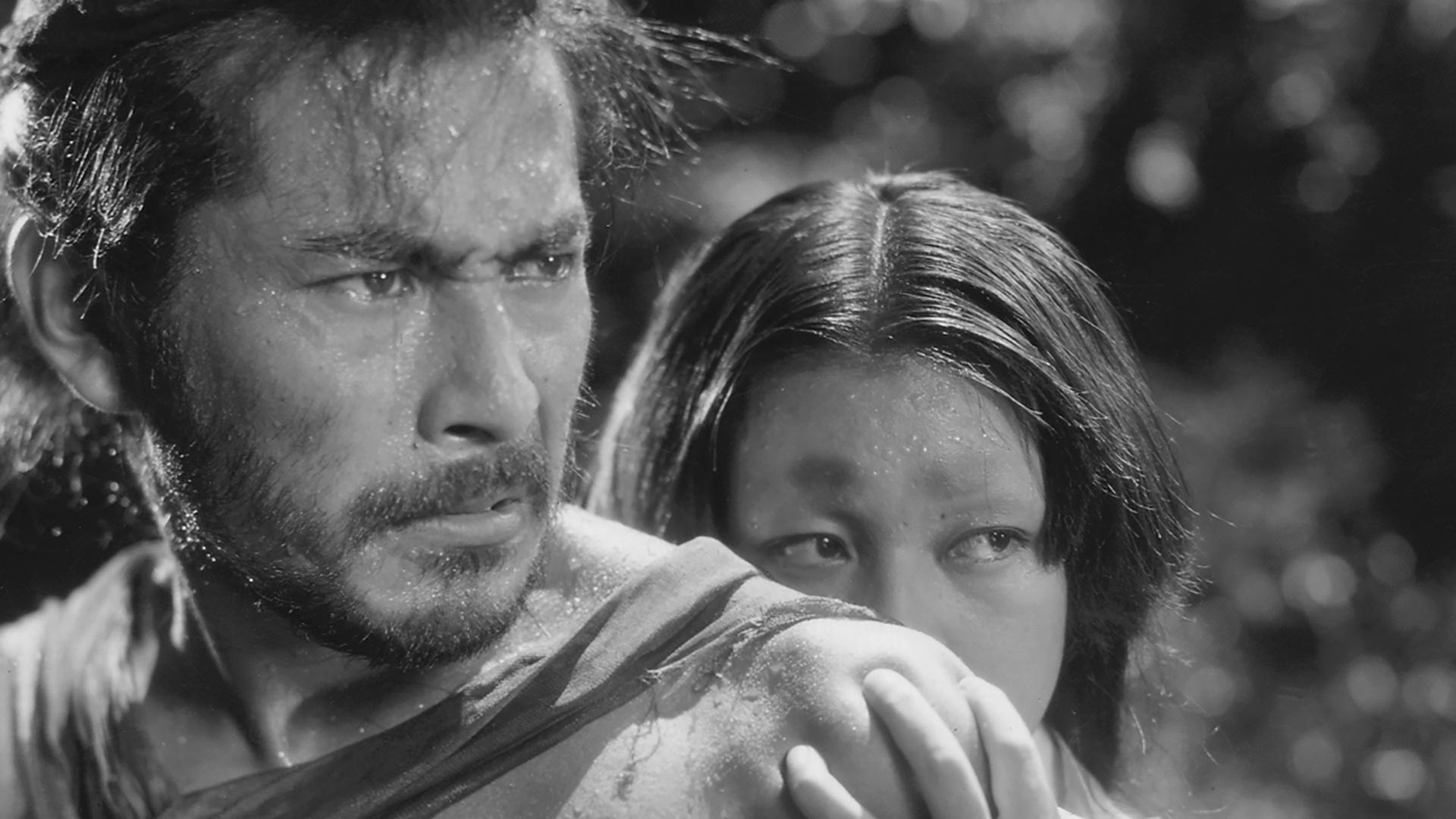
It’s raining! A woodcutter and a priest discuss a horrific case, under a ruined gate. A samurai is dead, and his wife has been assaulted by a notorious bandit. The event is narrated in four conflicting ways: by the bandit, by the wife, by the dead samurai (through a medium), and finally, by the woodcutter who witnessed it. Each story is told with the narrator as the hero or victim, completely altering the facts to protect their own ego. The film is not about discovering the truth; it is about the impossibility of truth when filtered through human self-interest. The term ‘The Rashomon Effect’ has entered our language to describe this phenomenon.
The film’s revolutionary narrative structure is still taught in film schools worldwide. It won the Academy Award for the Best Foreign Language Film in 1951.
Seven Samurai (1954)
Director: Akira Kurosawa
Genre: Epic Samurai Drama
A village of poor farmers is repeatedly raided by bandits who steal their harvest. Desperate, they decide to hire samurai to defend them. Their only payment is food. They find a seasoned, thoughtful ronin (freelancer or self-employed Samurai) who agrees to help, and he recruits six other masterless samurai, each with a distinct personality and skill set. The samurai train the fearful farmers to fight, fortify the village, and prepare for a final, chaotic battle. This is a long film, but it never feels it. The character development is precise, the action is gritty and realistic, and the moral complexity is deep.
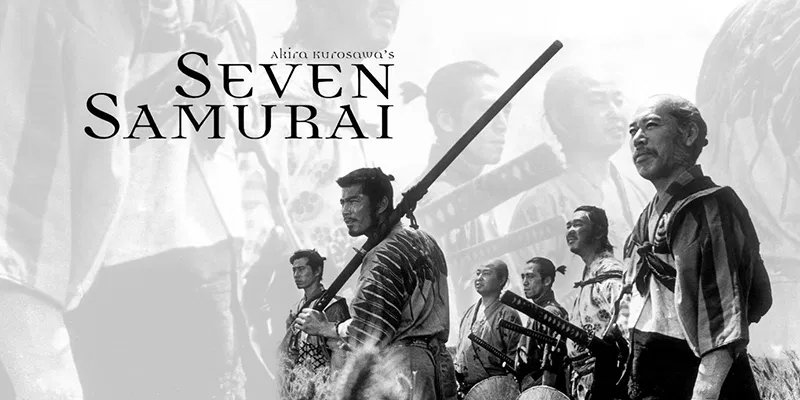
Great direction! Kurosawa asked the actors to wear their attire to be used in the film, for 6 months before shooting, since the villagers won’t have new-looking clothes due to poverty! The famous final line (The Farmers have won, NOT us!) underscores the film’s theme: the farmers are the true victors, while the samurai are the ones who have lost. (4 of them die, while the other 3 remain poor). Its influence is immense, forming the blueprint for countless team-based action films, most notably the Bollywood classic Sholay.
High and Low (1963)
Director: Akira Kurosawa
Genre: Police Procedural Crime
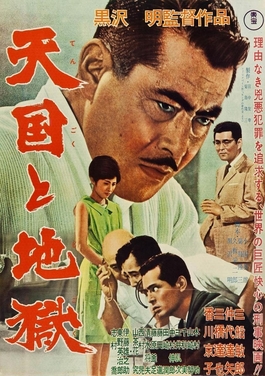
Gondo, a wealthy shoe company executive, is about to risk his entire fortune in a corporate takeover. Then the phone rings. His son has been kidnapped, and the ransom demanded is the exact amount he was going to use for the business deal. The tension is immediate. But then, his son walks into the room. The kidnapper took his chauffeur’s son by mistake. The criminal calls back, unmoved by the error; the ransom remains the same. Gondo is now faced with an impossible moral decision: destroy his own life’s work to save the son of his employee, or let a child die. He pays. The film then splits into two halves: a moral drama in Gondo’s hilltop house, and a meticulous police procedural through the sweltering streets of Yokohama. Some of the things shown in this film, can happen ONLY IN JAPAN! E.g when the police chief asks media to show patience and not go for the sensational news, they collaborate! The Hindi film Inkaar (1977) was directly inspired by this masterclass in suspense.
Negotiator (2003)
Director: Takashi Mi’ike
Genre: Crime Suspense
This is NOT a normal hostage drama, it is something far deeper! Three men in helmets rob a convenience store and then flee to a hospital, taking a group of people hostage. Inspector Ishida and Captain Tohno are brought in to handle the negotiations. The situation is tense but strangely controlled. We discover that the wife of the inspector is one of the hostages, and the junior police officer was once the girlfriend! The criminals make specific demands, and in a calculated move, the police allow three of them to escape with three doctors as hostages, securing the release of the others.
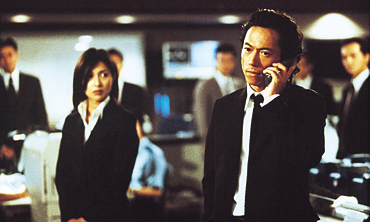
It seems like a messy but contained resolution. However, another detective digs deeper and discovers the hospital was not a random choice. There is a larger scheme at play. The film offers a fascinating look into the psychology of negotiation, revealing how the police anticipate and manipulate the criminals’ next moves.
Confessions (2010)
Director: Tetsuya Nakashima
Genre: Psycho Thriller
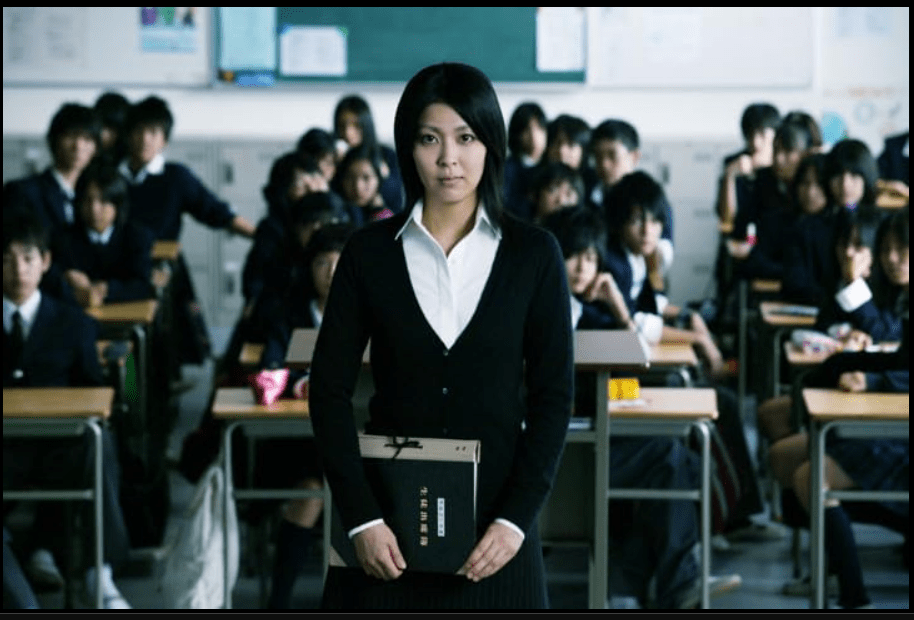
A teacher stands before her chaotic classroom. She is calm, too calm. She tells them she is resigning. Her young daughter recently drowned, but she reveals it was not an accident. Two students in her class murdered the girl. She names them. Because they are minors, they are protected by the Juvenile Law and will face no real punishment. So, she has taken matters into her own hands. Her method is psychological. She announces that she has injected HIV-contaminated blood into the milk cartons those two students drank from that very day. This is a lie, but it is a lie designed to corrode them from the inside out. The rest of the film shows how this single act of revenge unravels the lives of the two young murderers. It is a cold, stylish, and brutal film about the consequences of cruelty.
Her Love Boils Bathwater (2016)
Director: Ryota Nakano
Genre: Drama
Futaba is a force of nature, a single mother running a small bathhouse and raising her daughter. She is diagnosed with terminal cancer and given only months to live. Instead of giving in to despair, she makes a list. She decides to revive the family’s closed bathhouse, find her missing husband, and reunite him with the daughter from a previous marriage. Her relentless energy is both inspiring and overwhelming. The film follows her as she tracks down her wayward husband, connects with his estranged daughter, and even seeks closure with her own mother who disowned her. It is a story about a mother trying to secure her family’s future and happiness before she is gone, fueled by a love that is, as the title suggests, fiercely hot and life-sustaining.

ReLIFE (2017)
Director: Takeshi Furusawa
Genre: Sci-Fi, Romantic Comedy
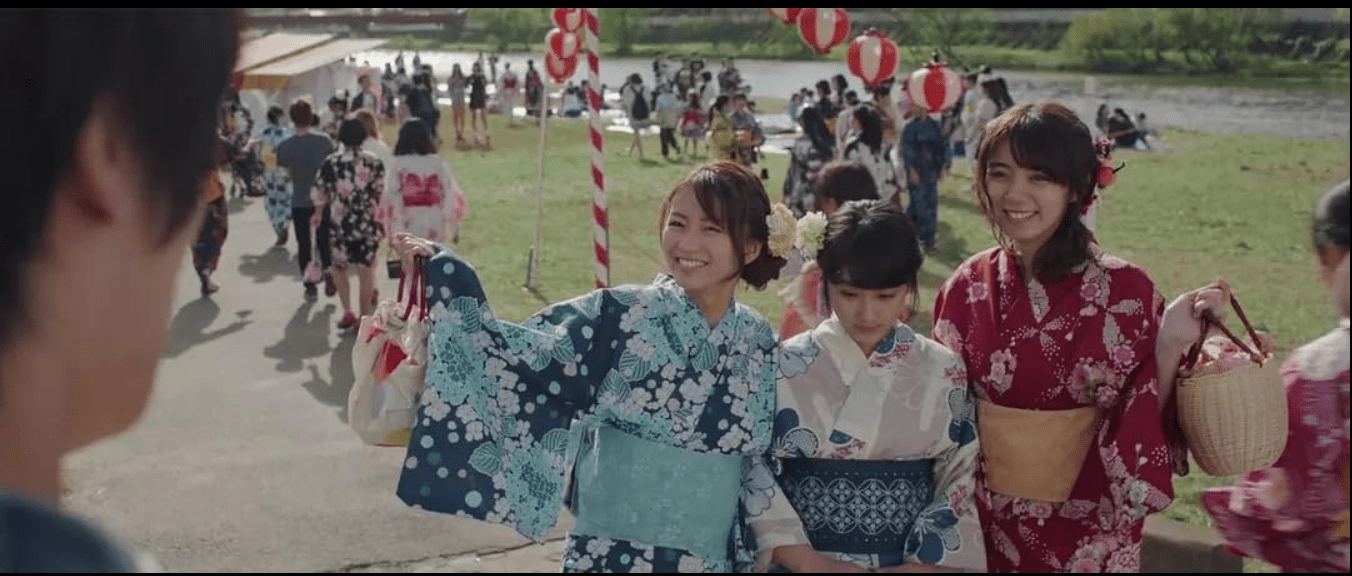
Arata is 27, unemployed, and his life has hit a dead end. He is offered a unique opportunity: take a pill that makes him appear 10 years younger and relive a year of high school as a research subject. In return, he gets a year of living expenses and a job prospect. He agrees, thinking it will be simple. He is placed as a transfer student and tasked with helping a lonely, socially awkward girl named Hishiro.
He finds himself caring for her and his new classmates, even falling in love. The central conflict is the program’s end: his memory of the year, and the memories of everyone he met, will be erased. The film explores the value of second chances, with a twist that reveals Hishiro has been hiding a significant secret of her own.
Shoplifters (2018)
Director: Kore-eda Hirokazu
Genre: Drama
On a cold night, a man and his son find a young girl shivering on a balcony. They take her in, and she becomes part of their small, messy family. This family, living in a cramped house, is held together by a grandmother’s pension and whatever they can steal from local stores. The father teaches the boy the precise art of shoplifting. They are a unit, more functional and loving than many real families. But the cracks are there. The grandmother dies suddenly, and they bury her in the backyard. The little girl they took in is, legally, a kidnapping victim. The film’s power is in how it makes you root for this criminal family. The final act is a dismantling by the authorities, forcing them to define their relationships by blood. The boy’s deliberate act of getting caught leaves you to question what truly makes a family.

Stolen Identity (2018)
Director: Hideo Nakata
Genre: Suspense / Mystery

A man leaves his smartphone in a taxi. When it’s returned, he thinks the ordeal is over. He is wrong. This is the story of how a lost phone can dismantle a life. His girlfriend, Asami, starts receiving strange credit card bills. Her social media accounts are hacked, and private information is leaked. The person who has the phone is a predator who uses digital footprints to systematically destroy his victims’ lives. The tension escalates when this digital stalking is linked to a series of murders. Asami consults a cybercrime expert, but she is already in the killer’s sights. The killer uses their secrets against them, and it turns out Asami has been hiding a dangerous secret herself, which gets brutally exposed.
Masked Ward (2020)
Director: Hisashi Kimura
Genre: Drama Thriller
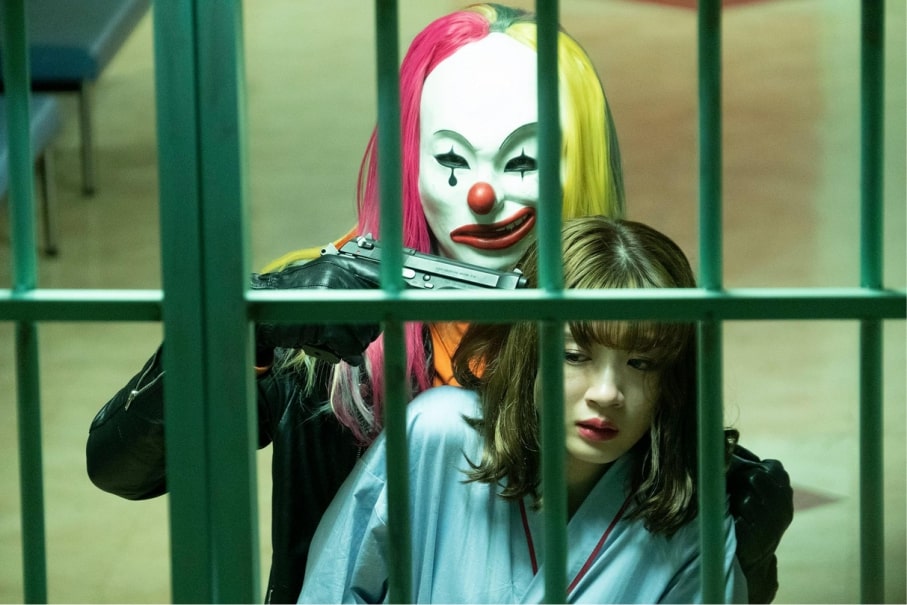
A substitute doctor, Shugo, is on a night shift at a remote psychiatric hospital. His night is shattered when a man in a pierrot mask breaks in, holding a university student, Hitomi, who has been shot. The masked man forces Shugo to treat her and takes the entire hospital—64 people—hostage. As Shugo and Hitomi attempt to escape, they uncover dark secrets room by room. They realize the hospital is not what it seems; it is a front for an illegal organ transplant ring, harvesting from vulnerable patients. The film is a claustrophobic thriller that transforms from a simple hostage situation into a conspiracy, forcing the doctor to fight not just a masked criminal, but the corrupt institution he works for.
Wife of a Spy (2020)
Director: Kiyoshi Kurosawa
Genre: Drama Film
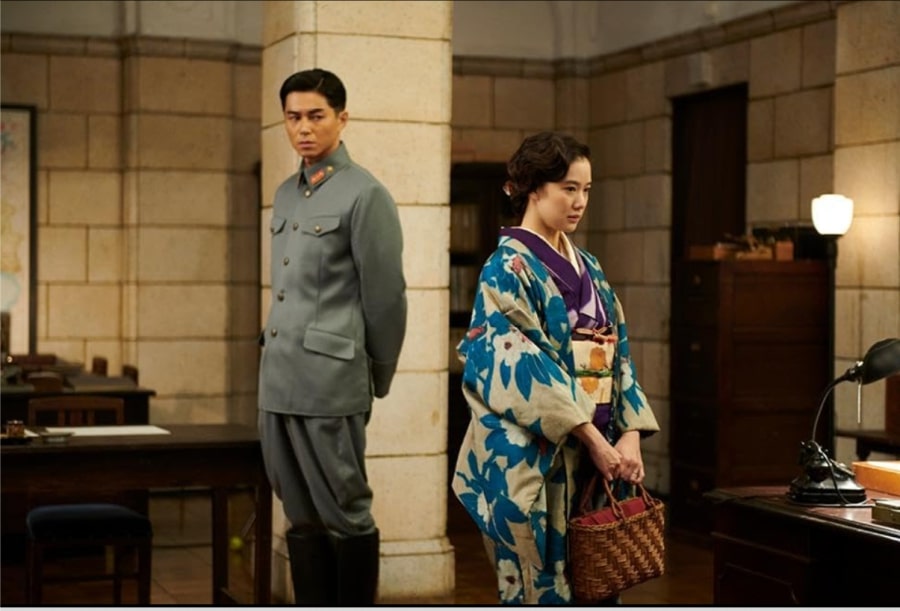
Set in 1940s Japan, a merchant, Yusaku, travels to Manchuria, leaving his wife, Satoko, behind. When he returns, he is different, secretive. He talks of making films, and his behaviour sparks jealousy and suspicion in Satoko. She begins to suspect another woman is involved. The truth is far more dangerous. Yusaku has witnessed Japanese war atrocities in Manchuria and is secretly filming evidence to expose them to the world. His “affair” is with his political mission. Satoko is torn between her duty as a loyal wife in a militaristic society and her horror at what her husband has discovered. The film is a tense, atmospheric spy thriller where the real betrayal is not marital, but national.
-Prasad Sovani